Evolution CA 2026: Bay Area Recap – “Building Healthier Communities by Connecting Whole Person Data”
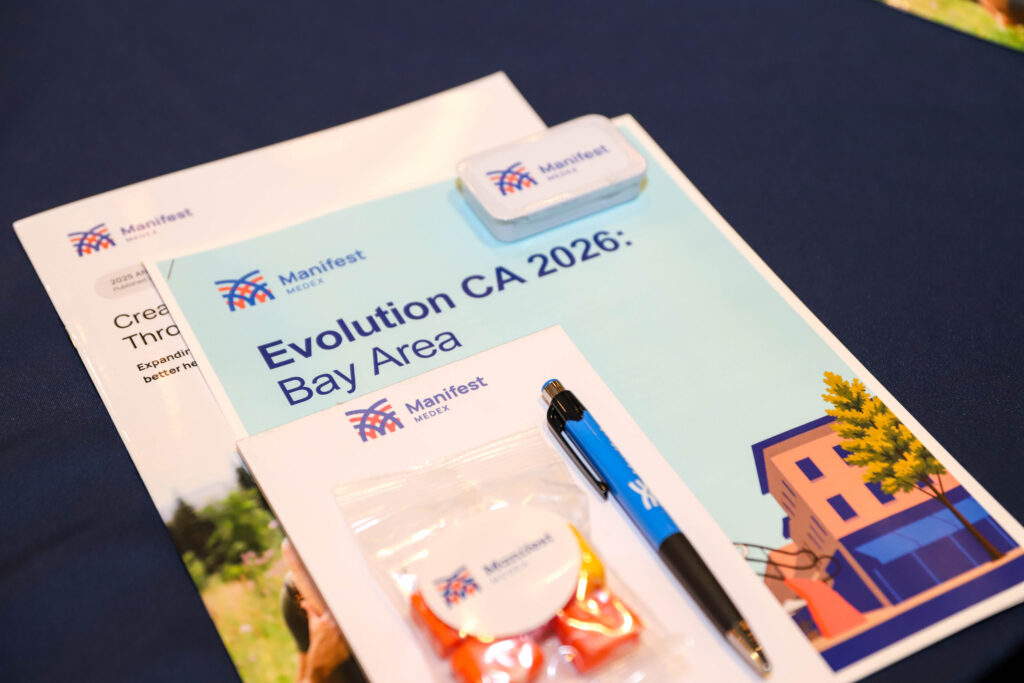
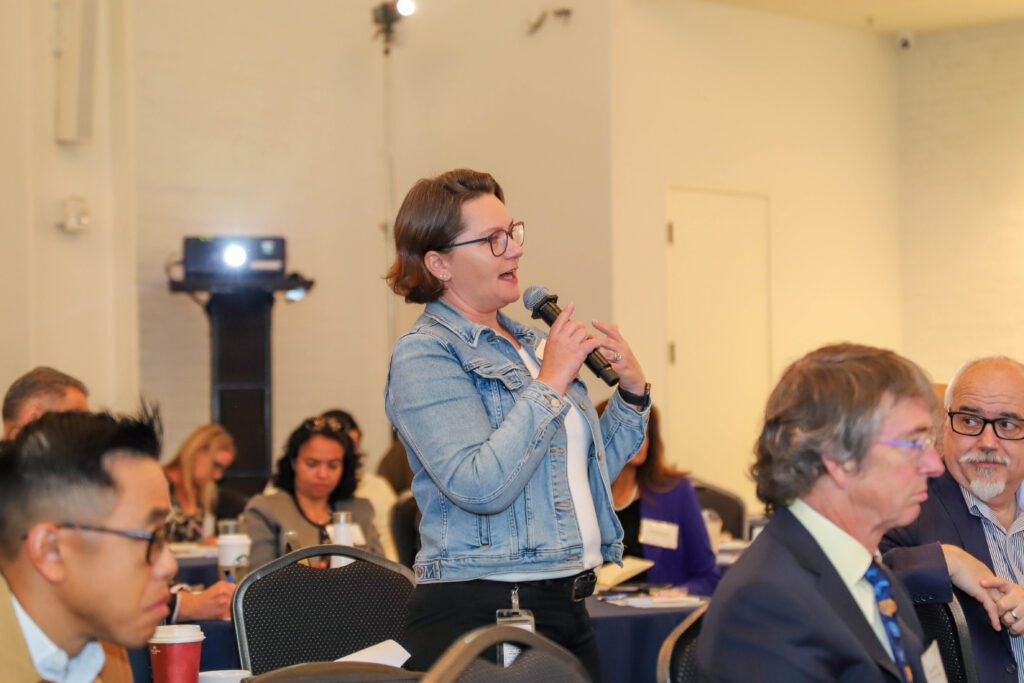
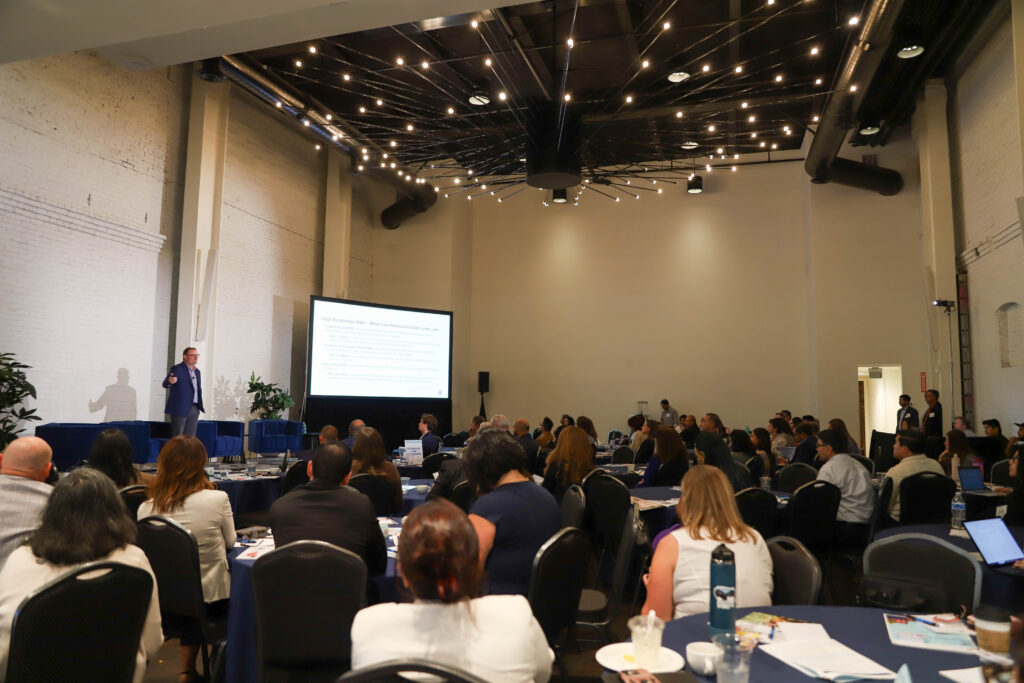
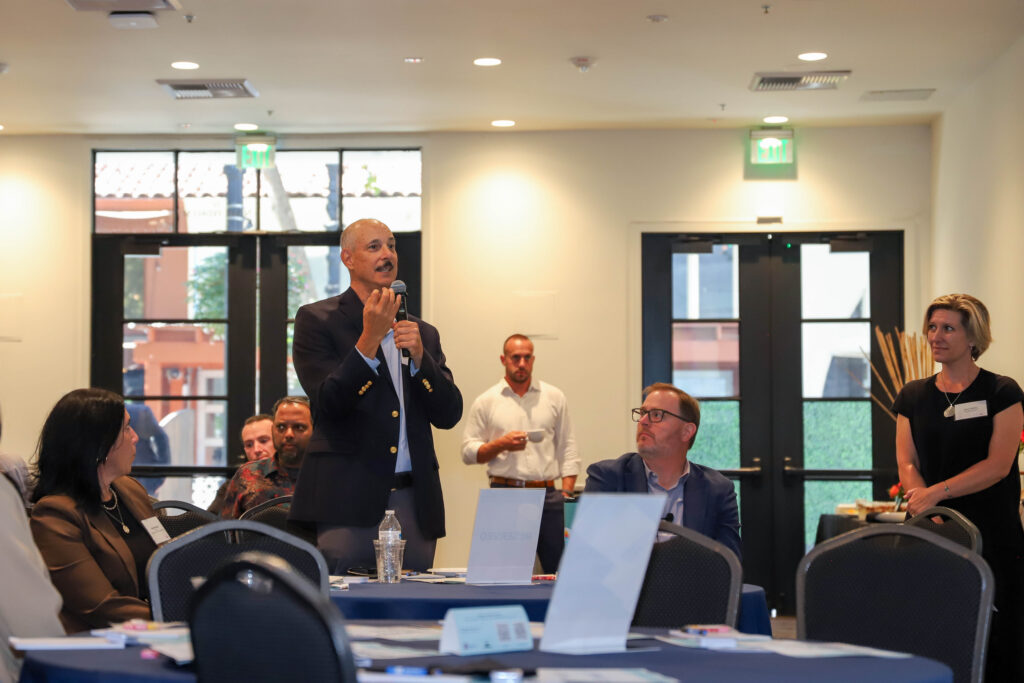
On September 30, Manifest MedEx (MX) held its annual regional forum, Evolution CA 2026: Bay Area, themed “Building Healthier Communities by Connecting Whole Person Data,” in San Jose.
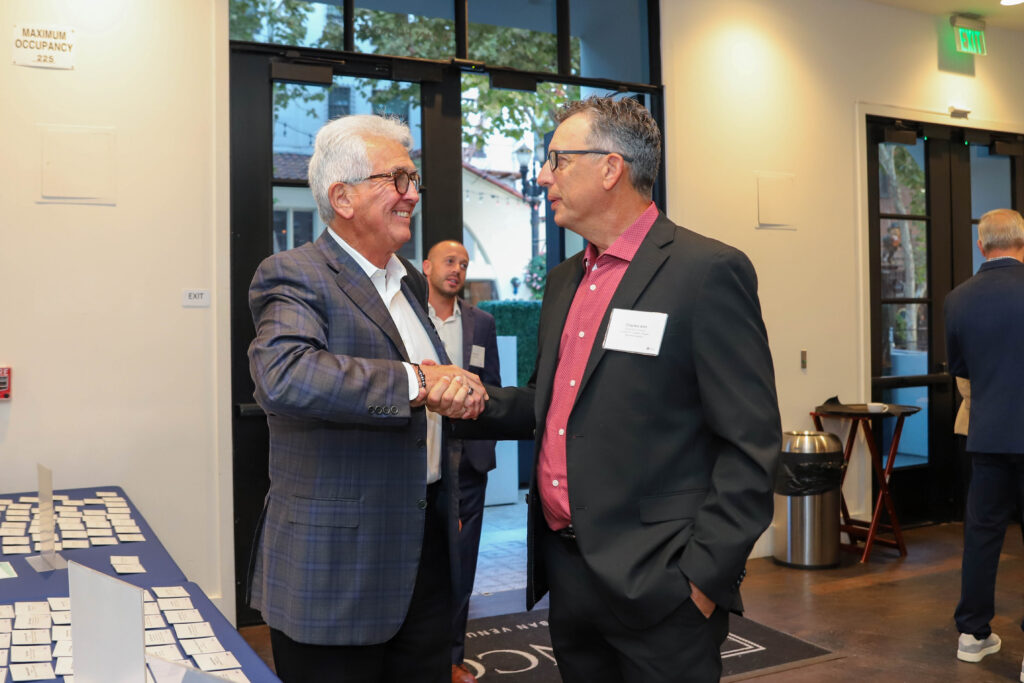
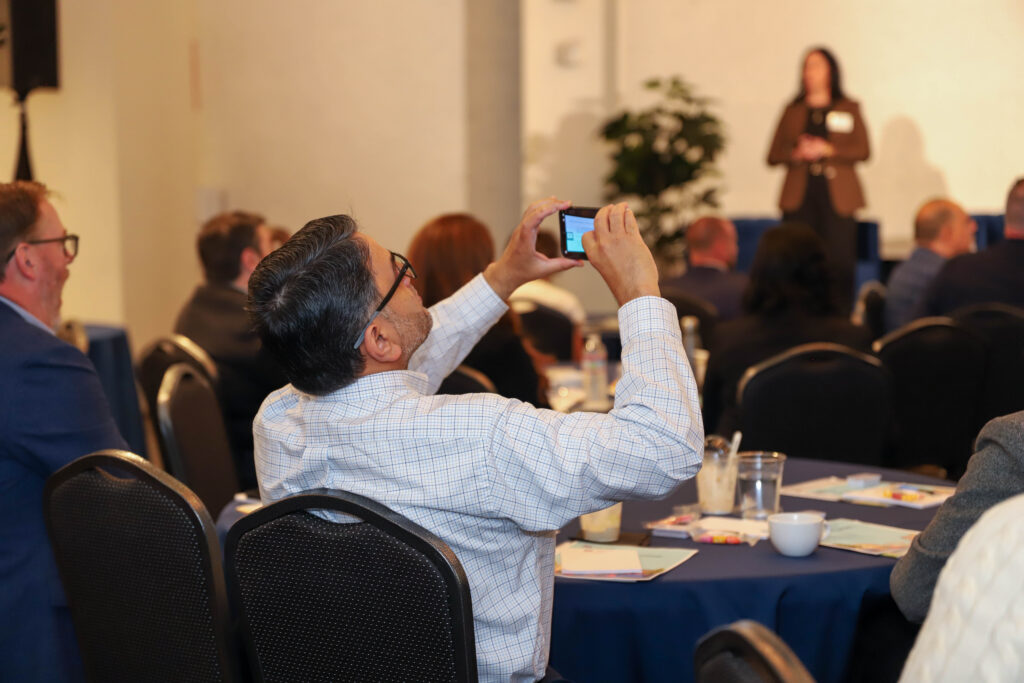
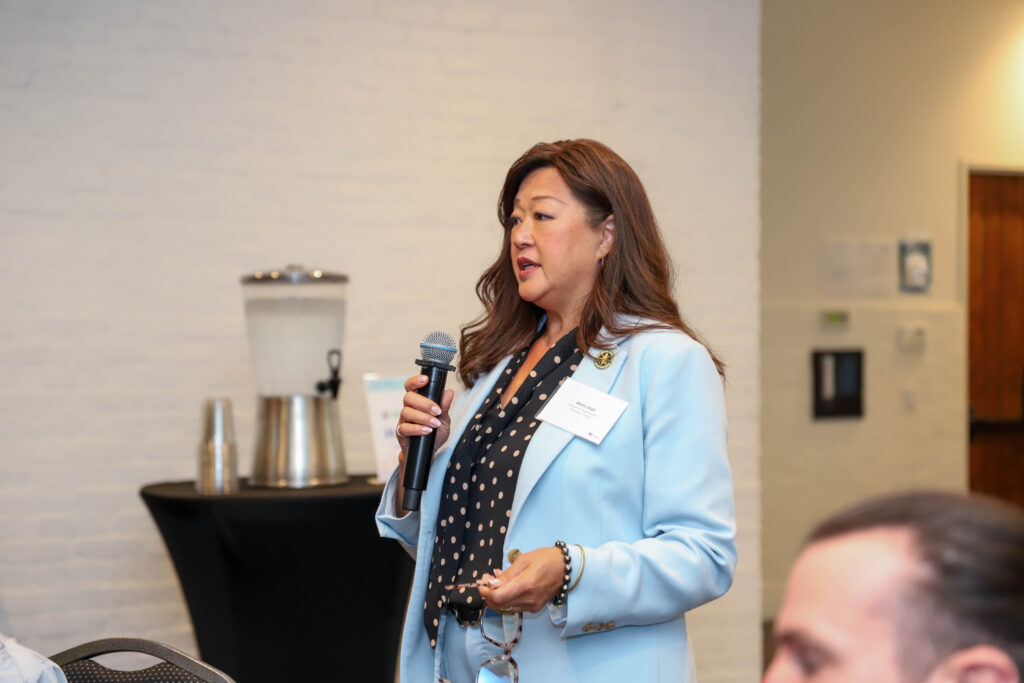
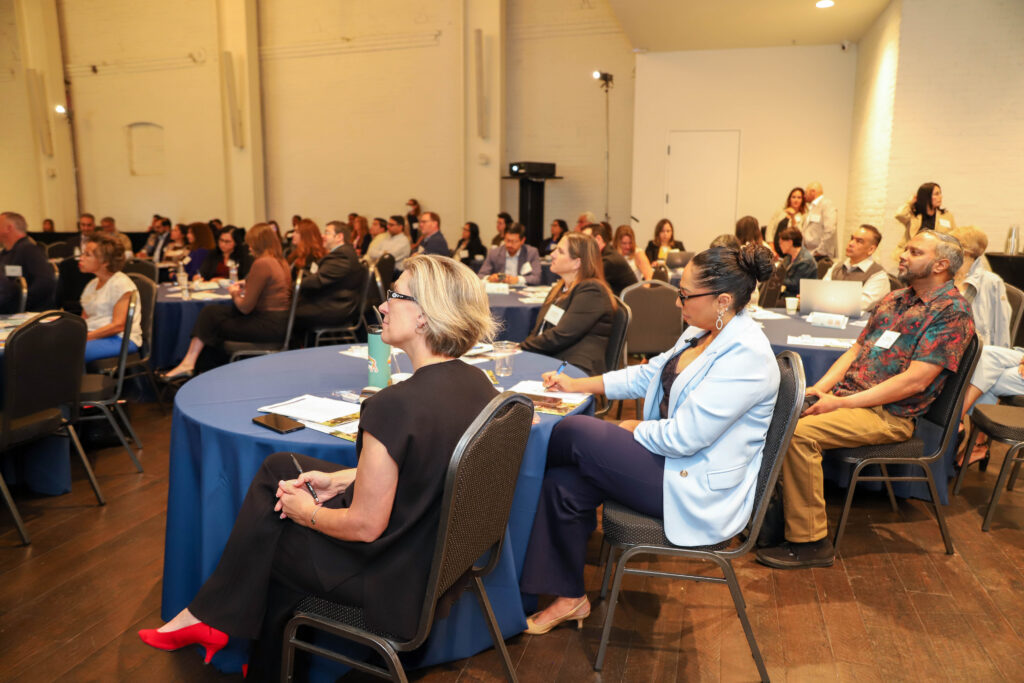
Leaders from across the region, representing counties, local and state health agencies, health plans, hospitals, providers, and community-based organizations (CBOs), convened for a day of collaborative conversation. We discussed recent policy developments impacting health and social health information exchange, strategies for building county-wide data exchange ecosystems to enhance population health, and approaches to optimizing health data innovations to connect and empower healthier communities in the Bay Area.
We kicked off the day with welcome remarks from Erica Galvez, Chief Executive Officer, Manifest MedEx, who highlighted how bringing together clinical, behavioral, and social drivers of health data into a whole person view drives efficiencies and builds healthier communities across California, and underscored high-resolution data (complete, accurate, and actionable information) as the foundation of a health system for California that sees the people it serves.
Our keynote speaker, Michelle Baass, Director of the California Department of Health Care Services (DHCS), walked through the 2026-27 Budget Act and the federal H.R. 1 changes affecting Medi-Cal, including mandatory work requirements for expansion adults starting January 1, 2027. She highlighted CalAIM results and the latest on the 1115 Demonstration Renewal. She closed with discussing DHCS’s efforts towards behavioral health transformation, including a proposed $59.9M investment in real-time behavioral health and housing data exchange.
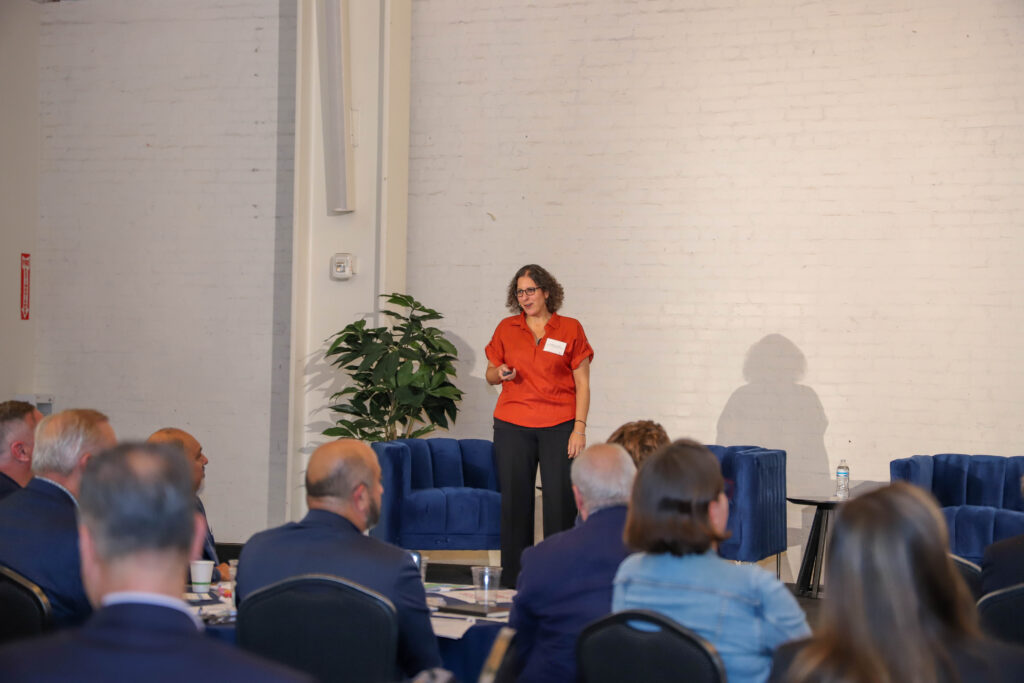
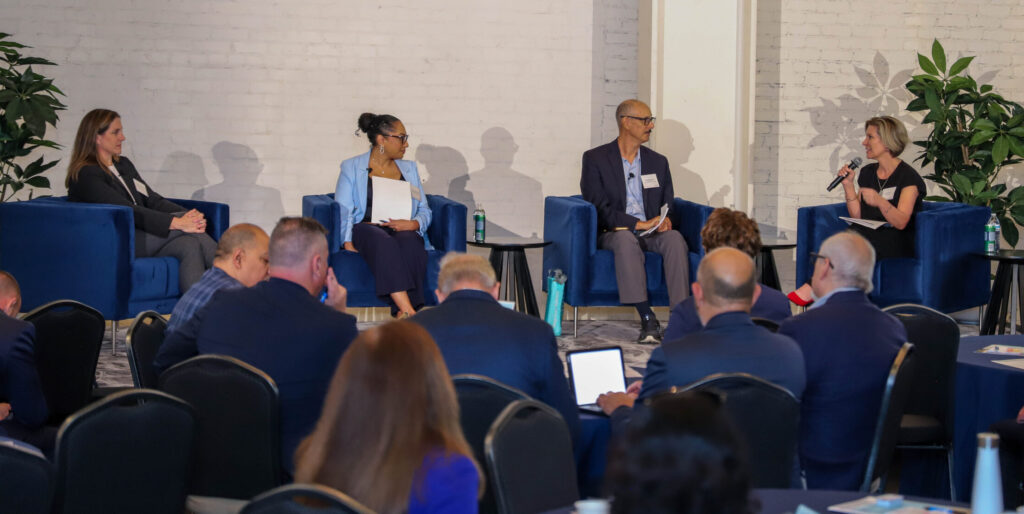
We then heard from Santa Cruz County leaders Jessica Randolph, Director of Administrative Services, Santa Cruz County Health Services Agency; Darlene Torres Voss, Director of Community Health Services, Salud Para La Gente; and David Nessim, MD, MBA, Medical Director, Central California Alliance for Health. With federal funding shifting, CalAIM calling for deeper integration, and local resources tightening, the panelists shared how Santa Cruz County is breaking down traditional silos to connect clinical, behavioral, and social services. The discussion also touched on consent, trust, and privacy, including how the county’s HIPAA hybrid designation shapes what it can share. Panelists closed with the county’s work in supporting justice-involved individuals, exploring how data sharing through MX Engage, our social health information exchange (SHIE), can help people leaving incarceration move smoothly from the county to the community clinics and health coverage they need.
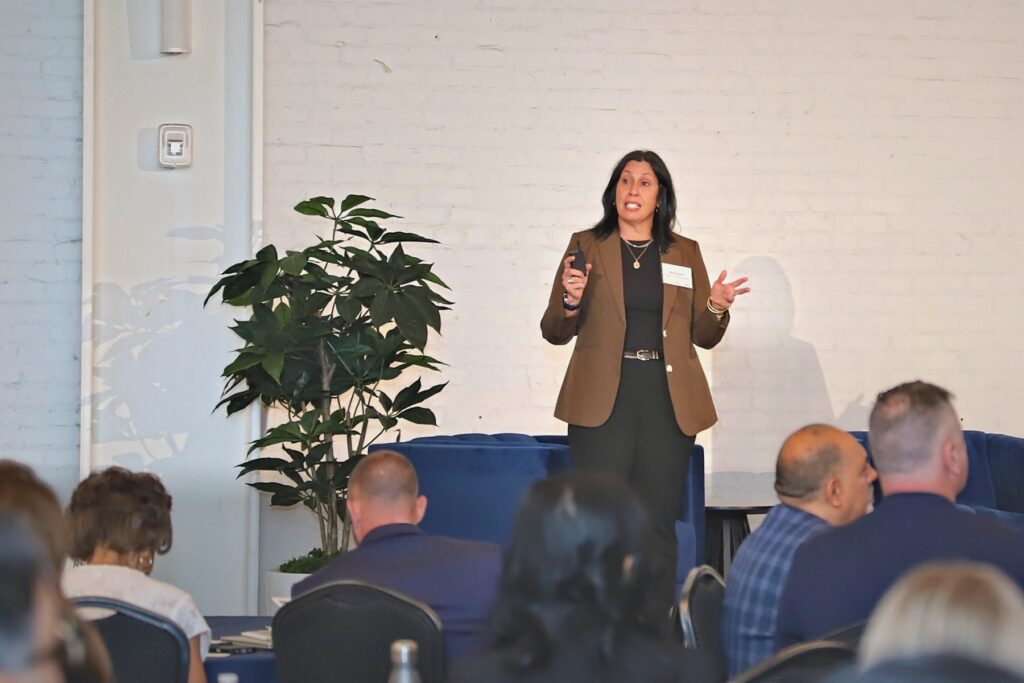
We welcomed Joe Prado, Director, Fresno County Department of Public Health, who shared how Fresno County’s Community Information Exchange (FCIE) is partnering with MX to bring school districts directly into the health data ecosystem to support a pilot on youth suicide prevention. Through the pilot, real-time hospital alerts notify school district support staff when a student is in crisis and their hospital encounter falls under a set of related ICD-10 codes, with HIPAA and FERPA safeguards built in from the start. Joe shared local data showing why the work matters: Fresno County recorded 295 emergency department visits by youth ages 0 to 18 for self-harm or suicidality in 2024 and 347 in 2025, a 17.6% increase. Looking ahead, the county plans to recruit additional districts for the 2027-28 school year.
Jason Buckner, Chief Information Officer, Manifest MedEx, shared how MX is tackling some of the toughest challenges around advancing health data exchange, such as securely sharing permitted sensitive data and navigating consent for social health data. He outlined three areas of MX innovation: MX Engage, our SHIE; creating consent-gated, role-based access to sensitive data, like 42 CFR Part 2 data, to help provide a full picture of an individual’s health history where needed; and AI-assisted monthly summaries of audit logs to reduce administrative burden, planned for MX participants in December.
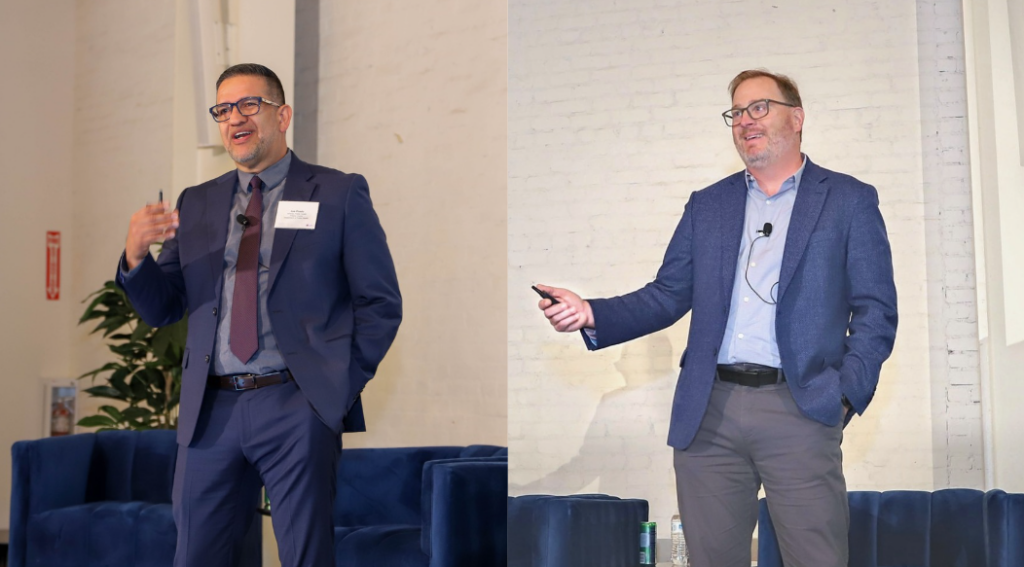
After lunch, we highlighted real use cases from across the region and state. Amie Miller, PsyD, Executive Director, California Mental Health Services Authority (CalMHSA), shared advancements in the behavioral health and consent management ecosystem with DHCSs ASCMI form, set to roll out in 2027. Daniel Welch, Director of IT Business Integration at Santa Clara Family Health Plan (SCFHP), shared how SCFHP uses ADTs from MX for use cases such as FUA/FUM quality outreach, keeping network providers aware of hospital events, and supporting DSNP chart retrieval for risk adjustment. Currently 45.5% of SCFHP’s members are served by an MX-participating provider, surpassing the plans original target of 35%. Kristen Azar, PhD, Vice President, Quality and Performance Excellence, Institute on Aging, ended the session reflecting on the journey to getting the data needed to serve populations holistically and the progress that has been made in the past decade.
Our closing keynote featured Assemblymember Mia Bonta, 18th Assembly District and Chair of the Assembly Committee on Health, California State Assembly, who highlighted how SB 660 strengthens accountability for the Data Exchange Framework while protecting sensitive data, outlined how H.R. 1 could affect Californians’ Medi-Cal coverage, and spotlighted whole person care already working in Santa Cruz, Fresno, and Alameda counties. She closed by emphasizing that technology should never replace human judgment in health care and that she looks forward to working with California’s next governor and administration to improve health statewide.
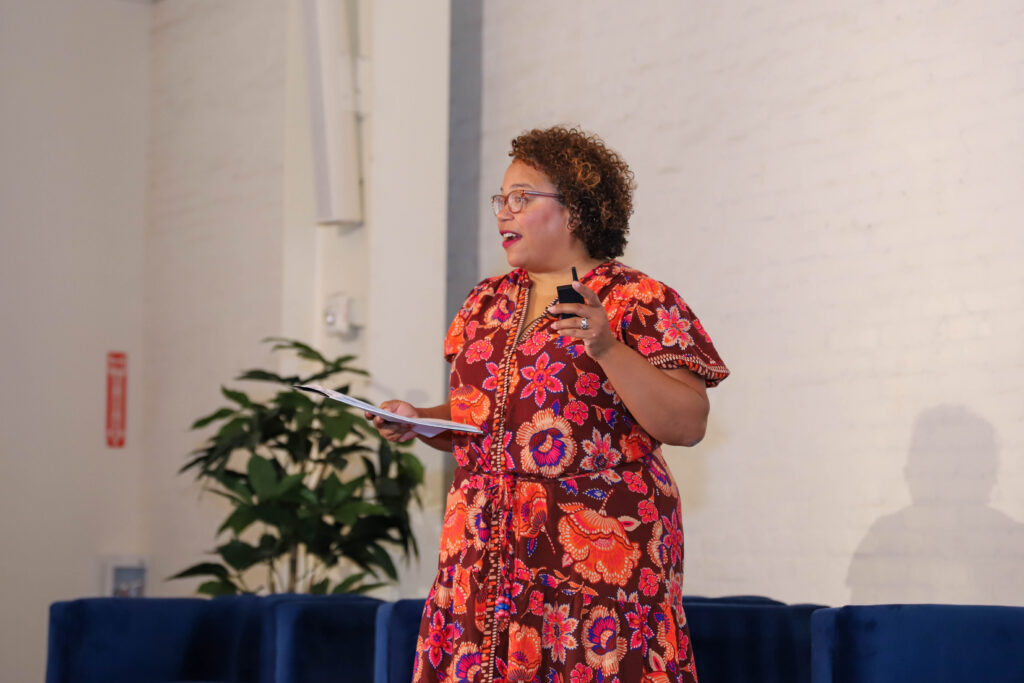
We closed the program by presenting this year’s MX Mosaic Award to Joe Prado. The award celebrates those who bring together disparate data to create a unique and comprehensive picture of health data within their populations, improving health outcomes. We honored Joe for his commitment to creating healthier communities through innovation and collaboration in health data exchange.

To everyone who attended, we appreciate your time and willingness to participate in the event. We hope you found it as enlightening and inspiring as we did.
Photos from Evolution CA 2026